AI ethics: how do we shape the future?
By: Suad Seferi · Policy & governance · 2025-02-21 · 2 min read
How global AI regulation shapes ethics, and how North Macedonia can build a fair and transparent AI framework. Research, examples and strategies for the future.
Introduction
Artificial intelligence (AI) is no longer a futuristic concept. It is a reality that is changing the world fast. From automated decision-making systems to generative models that create content, AI shapes every aspect of our daily lives. But its rapid development also raises concerns about the ethical consequences. How do we make sure AI is fair, transparent and serves people, rather than becoming a tool for manipulation and abuse?
This post explores global efforts to regulate AI ethics and proposes concrete steps North Macedonia can take to keep pace with the new technological era.
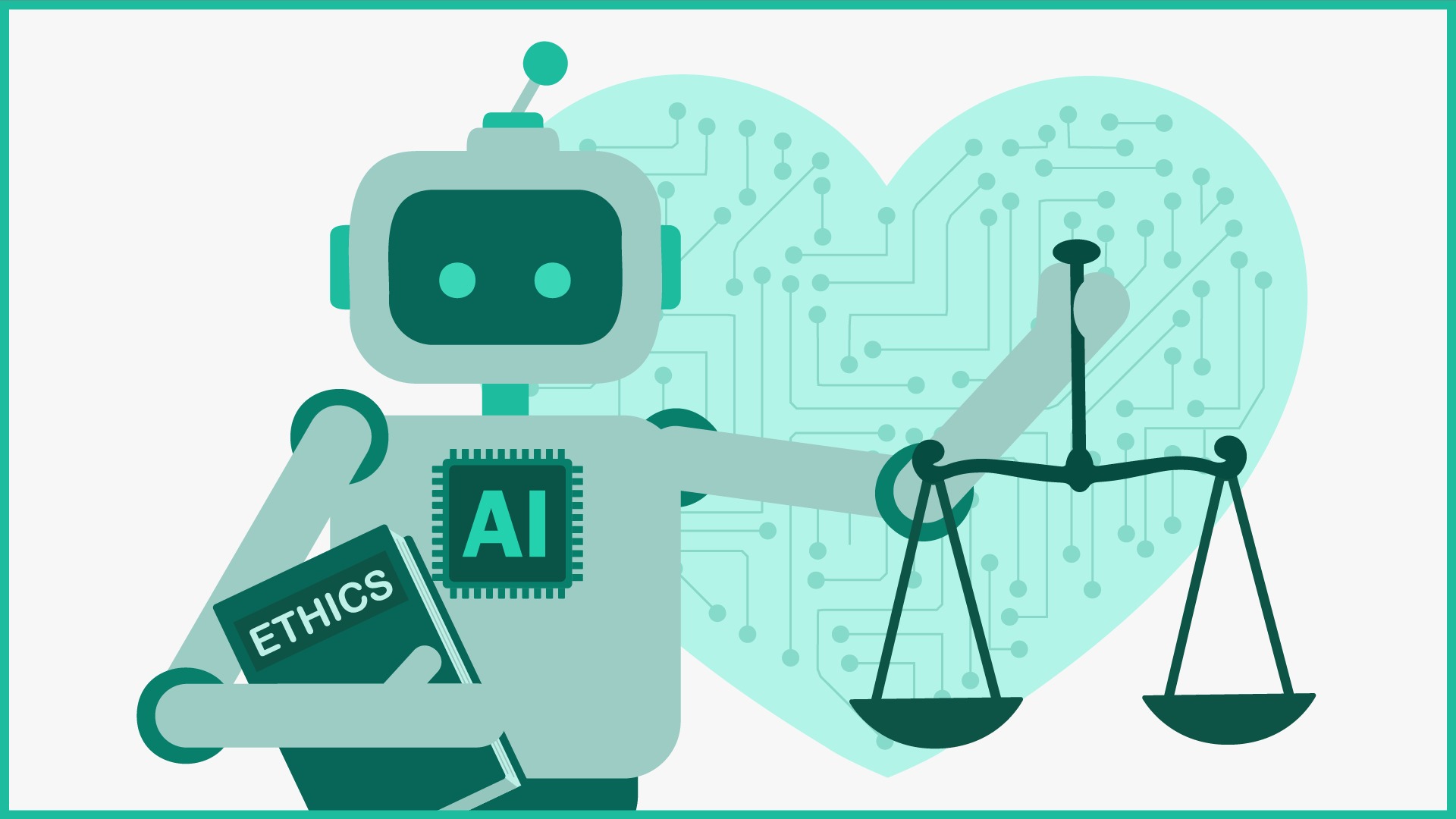
Examples of AI ethics regulation around the world
1. The European Union: a leader in regulation
The European Union is already creating the first law on AI: the AI Act. It sorts AI into four risk levels: low, limited, high and unacceptable. The main goal is to prevent potential abuse, especially in areas such as biometric recognition, surveillance systems and bias in automated decisions. Link to the EU framework
2. The USA: an innovation-based approach
The USA, on the other hand, focuses on self-regulation and voluntary guidelines. The National Institute of Standards and Technology (NIST) has published an AI risk management framework that proposes good practices for transparency, accountability and reducing bias in AI systems. This approach is more flexible, but putting it into practice is challenging. See the NIST publications
3. UNESCO: a global call for ethical use of AI
In 2021, UNESCO adopted the first global recommendation on the ethics of AI, calling for protection of human rights, fairness in algorithms and responsible development of the technology. It sets standards that countries can follow to build a safe and fair digital future. See the UNESCO recommendation
North Macedonia and AI ethics: where do we stand?
North Macedonia still has no concrete strategy or legal framework for AI. There are initiatives in the IT community and interest from the academic sector, but systemic reforms are needed.
A few key steps we can take:
- A national AI strategy – The government should develop a clear AI strategy that includes ethical principles and regulatory mechanisms.
- Transparency and accountability – Citizens must know how government institutions and the private sector use AI systems.
- Education and public awareness – Universities and research institutions should include courses on AI ethics in their curricula.
Conclusion
Ethics in AI is not just a technical question. It is a fundamental question of trust, justice and human rights. North Macedonia has a chance to draw on the experience of other countries and shape a policy that ensures AI serves citizens, not just corporate or government interests.
This post is part of an initiative by the AI Now Association (AINOW Society) to encourage discussion about AI ethics in North Macedonia.
More articles
- AINOW Joins Skopje Conference on AI, Law and Democracy
- AINOW Launches the Western Balkans AI Act Tracker
- Macedonian AI Data 2026: Digital Sovereignty Strategy